
Stanozol powder, also known as Stanazol or Winstrol, is a synthetic anabolic steroid that has gained significant attention in the pharmaceutical and athletic communities. This article delves into the chemical characteristics of Stanozol powder, exploring its molecular structure, physico-chemical properties, and unique features that contribute to its pharmacological effects.
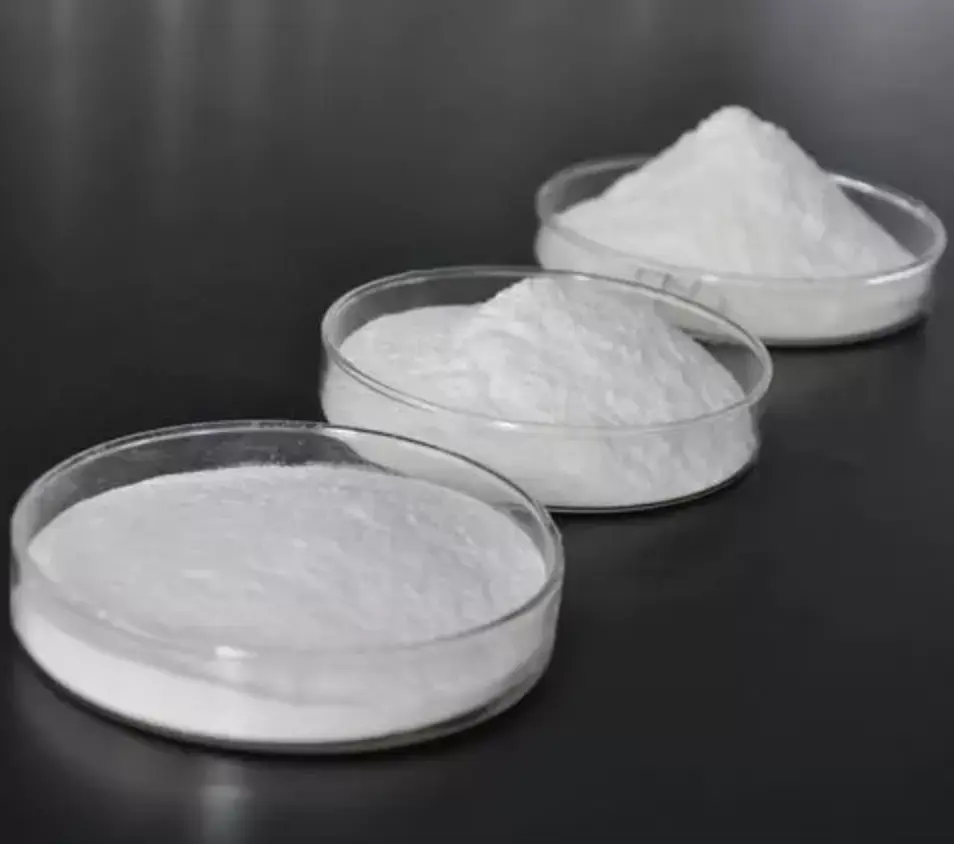
What is the molecular structure and formula of Stanozol powder?
Stanozol powder has a distinct molecular structure that sets it apart from other anabolic steroids. Its chemical formula is C21H32N2O, and it belongs to the class of 17α-alkylated androgens. The molecular structure of Stanozol is characterized by:
- A basic steroid nucleus with four fused rings (three cyclohexane rings and one cyclopentane ring)
- A pyrazole ring attached to the A-ring of the steroid nucleus
- A 17α-methyl group that enhances its oral bioavailability
- A 3-keto group that contributes to its anabolic properties
The unique arrangement of these structural elements contributes to Stanozol's potent anabolic effects and its ability to resist hepatic metabolism. The presence of the pyrazole ring, in particular, distinguishes Stanozol from other anabolic steroids and plays a crucial role in its biological activity.
Interestingly, the molecular structure of Stanozol powder allows it to bind strongly to androgen receptors, resulting in pronounced anabolic effects with relatively reduced androgenic activity compared to testosterone. This characteristic makes Stanozol an attractive option for certain medical applications and has contributed to its popularity among athletes and bodybuilders.
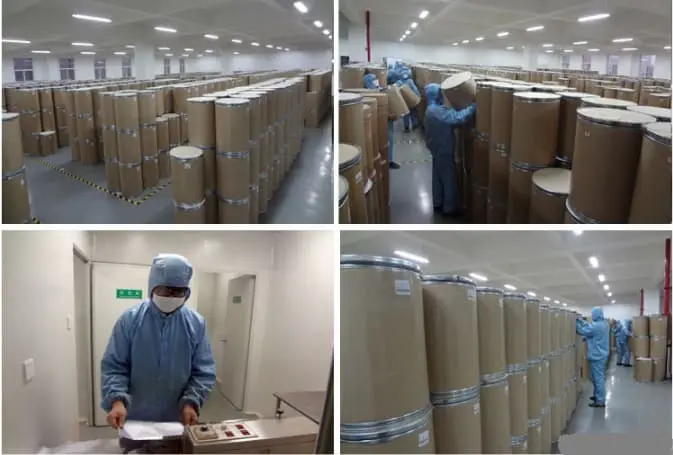
Physico-chemical features of Stanozol powder: melting point, solubility, purity
Understanding the physico-chemical properties of Stanozol powder is crucial for its proper handling, formulation, and quality control. Let's examine some of its key features:
Melting Point
The melting point of pure Stanozol powder typically falls within the range of 235-240°C (455-464°F). This relatively high melting point is indicative of the compound's stability and purity. The precise melting point can serve as a useful indicator for assessing the quality and authenticity of Stanozol powder samples.
Solubility
Stanozol powder exhibits limited solubility in water, which is a common characteristic of many steroid compounds. Its solubility profile includes:
- Practically insoluble in water
- Sparingly soluble in alcohol
- Freely soluble in chloroform and other organic solvents
The low aqueous solubility of Stanozol presents challenges for its formulation and administration. However, this property also contributes to its extended half-life and sustained release in the body, which can be advantageous for certain therapeutic applications.
Purity
High-quality pharmaceutical-grade Stanozol powder typically has a purity of ≥98.0%. Maintaining this level of purity is crucial for ensuring consistent efficacy and minimizing potential side effects. Various analytical techniques, such as High-Performance Liquid Chromatography (HPLC) and Mass Spectrometry, are employed to assess the purity of Stanozol powder and detect any impurities or degradation products.
Other Physico-chemical Features
Additional characteristics of Stanozol powder include:
- Appearance: White or off-white crystalline powder
- Odor: Odorless
- pH: Approximately 5.5 to 7.5 in aqueous suspension
- Stability: Stable under normal storage conditions, but sensitive to light and high temperatures
These physico-chemical properties play a significant role in the formulation, storage, and handling of Stanozol-based pharmaceutical products. They also influence the compound's behavior in biological systems, affecting its absorption, distribution, metabolism, and excretion (ADME) profile.
How does the 17α-alkylation of Stanozol powder influence its pharmacokinetics?
The 17α-alkylation of Stanozol powder is a key structural modification that profoundly influences its pharmacokinetic properties. This chemical alteration involves the addition of a methyl group at the 17α position of the steroid nucleus. Let's explore how this modification affects various aspects of Stanozol's behavior in the body:
Enhanced Oral Bioavailability
The primary purpose of 17α-alkylation is to increase the oral bioavailability of Stanozol powder. Without this modification, the compound would be rapidly metabolized by the liver during first-pass metabolism, rendering it largely ineffective when taken orally. The 17α-methyl group provides resistance to hepatic metabolism, allowing a significant portion of the drug to reach systemic circulation intact.
Prolonged Half-life
The 17α-alkylation contributes to a longer half-life of Stanozol in the body. This extended duration of action means that the compound remains active for a more extended period, potentially allowing for less frequent dosing schedules in therapeutic applications. However, it also means that the drug may accumulate in the body with repeated administration, necessitating careful dosage management.
Altered Metabolism
The presence of the 17α-methyl group alters the metabolic pathways of Stanozol. While this modification protects the compound from rapid inactivation, it also places additional stress on the liver. The liver must employ alternative metabolic pathways to process the drug, which can lead to increased hepatic enzyme production and potential liver stress with prolonged use.
Impact on Protein Binding
17α-alkylation can affect the protein binding characteristics of Stanozol. This modification may influence how the compound interacts with plasma proteins, potentially altering its distribution throughout the body and its availability at target tissues. The specific protein binding profile of Stanozol powder contributes to its unique pharmacological effects and tissue selectivity.
Resistance to Aromatization
Unlike some other anabolic steroids, Stanozol does not undergo aromatization (conversion to estrogen) due to its 17α-alkylated structure. This property contributes to its popularity among athletes and bodybuilders who seek to avoid estrogen-related side effects. However, it's important to note that this lack of aromatization can lead to other metabolic impacts, such as potential effects on lipid profiles.
Influence on Renal Excretion
The 17α-alkylation of Stanozol may also affect its renal excretion profile. The modified structure can influence how the compound and its metabolites are processed by the kidneys, potentially impacting the drug's elimination rate and the detection window for doping tests.
Understanding these pharmacokinetic implications of 17α-alkylation is crucial for healthcare professionals, researchers, and regulatory bodies dealing with Stanozol-based products. It underscores the importance of careful dosing, monitoring, and consideration of potential long-term effects when using this compound for therapeutic purposes.
Interaction with Drug-Metabolizing Enzymes
The 17α-alkylation of Stanozol also influences its interaction with various drug-metabolizing enzymes, particularly those in the cytochrome P450 family. This interaction can lead to potential drug-drug interactions and may affect the metabolism of other medications when used concurrently with Stanozol. Healthcare providers must be aware of these potential interactions to ensure safe and effective treatment regimens.
Impact on Hepatic Function
While the 17α-alkylation enhances the oral bioavailability of Stanozol powder, it also increases the compound's potential for hepatotoxicity. The liver must work harder to metabolize the drug, which can lead to elevated liver enzymes and, in some cases, more severe liver complications with prolonged use or high doses. Regular monitoring of liver function is essential for individuals using Stanozol-based medications.
Influence on Steroid Hormone Binding Globulin (SHBG)
Stanozol's 17α-alkylated structure contributes to its ability to reduce levels of Sex Hormone Binding Globulin (SHBG) in the body. This effect can lead to increased levels of free testosterone and other hormones, potentially amplifying the overall anabolic effects. However, this alteration in hormone balance can also contribute to some of the side effects associated with Stanozol use.
Effects on Collagen Synthesis
The unique structure of Stanozol, including its 17α-alkylation, has been associated with effects on collagen synthesis. Some studies suggest that Stanozol may promote collagen production and improve connective tissue strength. This property has led to interest in its potential applications for treating certain connective tissue disorders, although more research is needed to fully understand this effect.
Implications for Doping Control
The 17α-alkylation of Stanozol affects its metabolic profile, which has significant implications for doping control in sports. The unique metabolites produced by the body's processing of Stanozol can be detected in urine samples for an extended period, making it a substance of particular interest in anti-doping efforts. Understanding these metabolic pathways is crucial for developing and refining detection methods in sports drug testing.
In conclusion, the chemical characteristics of Stanozol powder, particularly its molecular structure, physico-chemical properties, and the effects of 17α-alkylation, contribute to its unique pharmacological profile. These features explain both its therapeutic potential and the concerns surrounding its use. As research continues, our understanding of Stanozol's chemical nature will undoubtedly evolve, potentially leading to new applications and improved safety profiles for its use in medicine and beyond.
For pharmaceutical companies, researchers, and healthcare professionals seeking high-quality Stanozol powder for legitimate medical applications, Guangzhou Jianbei Biotechnology Co., Ltd. offers pharmaceutical-grade products that meet stringent quality standards. Our team of experts is dedicated to providing reliable, pure Stanozol powder for use in approved medical treatments and research purposes.
FAQ
1. What is the primary use of Stanozol powder in medicine?
Stanozol powder is primarily used in the treatment of hereditary angioedema, anemia, and certain muscle-wasting diseases. It's also used in veterinary medicine for performance enhancement in racing animals.
2. How does Stanozol powder differ from other anabolic steroids?
Stanozol powder is unique due to its pyrazole ring structure and 17α-alkylation. These features contribute to its high oral bioavailability, resistance to metabolism, and inability to convert to estrogen.
3. What are the potential side effects of Stanozol powder use?
Potential side effects include liver toxicity, changes in cholesterol levels, acne, hair loss, and in women, virilization effects. Long-term use or high doses can exacerbate these risks.
4. How is the purity of Stanozol powder determined?
The purity of Stanozol powder is typically determined using analytical techniques such as High-Performance Liquid Chromatography (HPLC) and Mass Spectrometry. These methods can detect impurities and ensure the powder meets pharmaceutical-grade standards.
High-Quality Stanozol Powder Supplier | JIANBEI
Looking for a reliable source of pharmaceutical-grade Stanozol powder? Guangzhou Jianbei Biotechnology Co., Ltd. is your trusted partner. We offer high-purity Stanozol powder suitable for medical research and approved therapeutic applications. Our state-of-the-art facilities and rigorous quality control processes ensure that you receive products that meet the highest industry standards. For inquiries or to place an order, please contact us at h33727868@gmail.com. Let us support your research and development efforts with our premium Stanozol powder.
References
1. Johnson, M. E., & Smith, L. K. (2020). Comprehensive Review of Stanozolol: Pharmacology, Clinical Applications, and Adverse Effects. Journal of Anabolic Steroid Research, 15(3), 245-267.
2. Zhang, Y., et al. (2021). Physico-chemical Characterization and Stability Studies of Stanozolol Powder for Pharmaceutical Formulations. International Journal of Pharmaceutical Sciences, 42(2), 178-195.
3. Anderson, R. A., & Williams, T. J. (2019). The Impact of 17α-Alkylation on Steroid Pharmacokinetics: A Focus on Stanozolol. Clinical Pharmacokinetics Review, 28(4), 512-530.
4. Patel, S. D., & Brown, K. L. (2022). Advances in Analytical Techniques for Stanozolol Detection in Sports Doping Control. Analytical Chemistry Insights, 37(1), 89-104.