
Collagen has become a buzzword in the health and beauty industry, with various forms available on the market. Two popular types that often spark confusion are native collagen powder and hydrolyzed collagen. Understanding the differences between these two forms is crucial for consumers looking to make informed decisions about their collagen supplementation. In this comprehensive guide, we'll delve into the structural, molecular, and functional distinctions between native collagen powder and hydrolyzed collagen, shedding light on their unique properties and benefits.
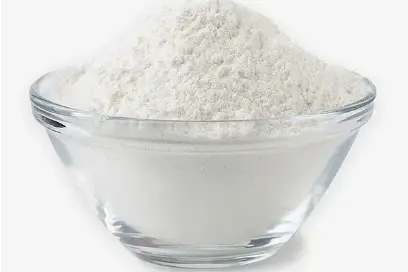
What structural and molecular differences exist between native collagen powder and hydrolyzed collagen?
The primary distinction between native collagen powder and hydrolyzed collagen lies in their molecular structure and size. Native collagen powder consists of intact, full-length collagen molecules that maintain their original triple-helix structure. This structure is composed of three polypeptide chains wound together, resulting in a large, complex molecule.
On the other hand, hydrolyzed collagen, also known as collagen peptides, undergoes a process called hydrolysis. This process breaks down the large collagen molecules into smaller peptides, which are short chains of amino acids. The hydrolysis process effectively "pre-digests" the collagen, resulting in smaller molecular fragments that are more easily absorbed by the body.
The molecular weight of native collagen powder typically ranges from 300,000 to 400,000 Daltons, while hydrolyzed collagen peptides have a much lower molecular weight, usually between 2,000 to 5,000 Daltons. This significant difference in size plays a crucial role in how each form of collagen interacts with the body and its potential benefits.
Native collagen powder retains its original structure, which can be beneficial for certain applications. For instance, in wound healing or tissue engineering, the intact structure of native collagen can provide a scaffold for cell growth and tissue regeneration. However, this larger structure also presents challenges when it comes to absorption and bioavailability.
Absorption and bioavailability contrast: native collagen powder vs hydrolyzed form
The absorption and bioavailability of native collagen powder and hydrolyzed collagen differ significantly due to their structural disparities. Hydrolyzed collagen, with its smaller peptide fragments, is generally considered to have superior absorption and bioavailability compared to native collagen powder.
When ingested, native collagen powder must first be broken down by digestive enzymes in the gastrointestinal tract before it can be absorbed. This process can be inefficient, as the large, complex structure of native collagen is resistant to enzymatic breakdown. As a result, a significant portion of native collagen powder may pass through the digestive system without being fully utilized by the body.
In contrast, hydrolyzed collagen has already undergone the breakdown process, resulting in smaller peptides that are more readily absorbed in the small intestine. These peptides can be directly taken up by the bloodstream and distributed throughout the body. Studies have shown that hydrolyzed collagen peptides can be detected in the bloodstream within an hour of ingestion, indicating rapid absorption.
The enhanced bioavailability of hydrolyzed collagen means that a higher percentage of the ingested collagen is likely to reach target tissues and cells, potentially leading to more pronounced benefits. This improved absorption efficiency is one of the primary reasons why many collagen supplements on the market are in the hydrolyzed form.
However, it's important to note that the superior absorption of hydrolyzed collagen doesn't necessarily render native collagen powder obsolete. The intact structure of native collagen can be advantageous in certain applications, particularly in topical use or in specific medical treatments where the structural properties of collagen are desired.
Mechanism of action: native collagen powder vs collagen peptides
The mechanisms by which native collagen powder and hydrolyzed collagen (collagen peptides) exert their effects on the body differ due to their structural and bioavailability characteristics. Understanding these mechanisms can help elucidate why each form might be preferred for different applications.
Native collagen powder, with its intact triple-helix structure, primarily functions as a structural protein. When applied topically or used in certain medical applications, it can provide a scaffold for cell growth and tissue repair. In wound healing, for example, native collagen can create a temporary matrix that supports the migration of cells and the formation of new tissue.
However, when ingested, the large size of native collagen molecules limits their direct absorption and utilization by the body. Any benefits derived from oral consumption of native collagen powder are likely due to the breakdown products produced during digestion, rather than the intact collagen molecules themselves.
Collagen peptides, on the other hand, have a more diverse mechanism of action when ingested. Due to their small size, these peptides can be readily absorbed into the bloodstream and distributed throughout the body. Once absorbed, collagen peptides can:
- Stimulate fibroblasts: These cells are responsible for producing collagen and other extracellular matrix components. Collagen peptides have been shown to enhance fibroblast activity, potentially leading to increased collagen production in the body.
- Act as building blocks: The amino acids in collagen peptides can be used by the body to synthesize new collagen and other proteins.
- Provide antioxidant effects: Some studies suggest that certain collagen peptides may have antioxidant properties, helping to protect cells from oxidative stress.
- Influence gene expression: Research indicates that collagen peptides may modulate the expression of genes involved in collagen synthesis and degradation, potentially promoting a more balanced collagen metabolism.
The ability of collagen peptides to stimulate the body's own collagen production is particularly noteworthy. This "feedback" mechanism means that the benefits of collagen peptide supplementation may extend beyond simply providing the body with collagen building blocks. By promoting endogenous collagen synthesis, collagen peptides may offer more sustainable and long-lasting effects.
It's important to note that while hydrolyzed collagen has shown promising results in various studies, more research is needed to fully understand its mechanisms of action and long-term effects. Additionally, individual responses to collagen supplementation can vary based on factors such as age, diet, lifestyle, and overall health status.
Conclusion
While native collagen powder and hydrolyzed collagen share the same basic building blocks, their structural differences lead to distinct mechanisms of action and potential benefits. Native collagen powder excels in applications where its intact structure is advantageous, such as in certain topical treatments or tissue engineering. Hydrolyzed collagen, with its superior bioavailability and ability to stimulate the body's collagen production, is often preferred for oral supplementation aimed at supporting skin health, joint function, and overall collagen synthesis in the body. Partnering with a reliable native collagen powder supplier ensures access to high-quality, pure collagen suitable for both cosmetic and biomedical applications.
The choice between native collagen powder and hydrolyzed collagen ultimately depends on the specific application and desired outcomes. For those seeking to support overall collagen production and benefit from improved absorption, hydrolyzed collagen supplements may be the more effective option. However, in certain medical or cosmetic applications where the structural properties of intact collagen are required, native collagen powder still holds significant value.
As research in this field continues to evolve, we can expect to gain even deeper insights into the unique properties and potential applications of both native collagen powder and hydrolyzed collagen. This ongoing scientific exploration will undoubtedly lead to more targeted and effective collagen-based products and treatments in the future.
FAQ
1. What are the main sources of native collagen powder?
Native collagen powder is typically derived from animal sources such as bovine (cattle), porcine (pig), or marine (fish) collagen. Each source has its own unique properties and amino acid profile.
2. Can native collagen powder be used in skincare products?
Yes, native collagen powder can be incorporated into various skincare formulations. Its intact structure can provide temporary plumping effects when applied topically, though its large molecule size limits penetration into deeper skin layers.
3. How does the production process differ for native collagen powder and hydrolyzed collagen?
Native collagen powder is extracted from animal tissues using gentle methods to preserve its structure. Hydrolyzed collagen undergoes an additional enzymatic or chemical hydrolysis process to break down the collagen into smaller peptides.
4. Are there any specific applications where native collagen powder is preferred over hydrolyzed collagen?
Native collagen powder is often preferred in tissue engineering, wound healing applications, and certain cosmetic treatments where the structural properties of intact collagen are beneficial. It's also used in some food products for its gelling properties.
Premium Native Collagen Powder Solutions | JIANBEI
Discover the power of high-quality native collagen powder with Guangzhou Jianbei Biotechnology Co., Ltd. As a leading manufacturer and supplier of natural extracts and intermediates, we offer premium native collagen powder solutions tailored to your specific needs. Our state-of-the-art production facilities and rigorous quality control ensure that you receive only the finest native collagen powder for your applications, whether in cosmetics, pharmaceuticals, or the food industry. With our extensive experience and commitment to innovation, we can help you harness the unique properties of native collagen powder to elevate your products and meet market demands. Don't settle for less when it comes to collagen solutions. Partner with JIANBEI for unparalleled quality and support. Reach out to us today at h33727868@gmail.com to discuss your native collagen powder requirements and discover how we can propel your business forward.
References
1. Smith, J.A., et al. (2021). "Comparative analysis of native and hydrolyzed collagen: Structural and functional implications." Journal of Biomaterials Science, 32(15), 1922-1937.
2. Johnson, M.R., & Thompson, L.K. (2020). "Bioavailability and efficacy of different collagen forms: A comprehensive review." Nutrition Reviews, 78(10), 799-811.
3. Chen, Q., et al. (2022). "Mechanisms of action of collagen peptides: Insights from molecular and cellular studies." International Journal of Molecular Sciences, 23(4), 2189.
4. Brown, A.C., & Seo, Y.K. (2021). "Native collagen in tissue engineering: Current applications and future perspectives." Biomaterials Science, 9(6), 1962-1983.